Today I took our family's Jeep back to Ashokettan's workshop. Around here, if you own an old Jeep, there's a good chance you know who he is. He's been working on them for decades. The kind of person people call when a problem refuses to go away. Over the years, he has become the go-to mechanic for Jeeps in our area, building a reputation not just for repairing them, but for understanding them.
A week ago, he had worked on our brakes. There was an issue with the pedal feel, and after the repair everything seemed fine. But over the next few days it became clear that the problem hadn't really been solved. The first press of the brake pedal would go almost all the way down with very little braking force. Press it a second time and the brakes would feel normal. Something wasn't right.
So today I went back.
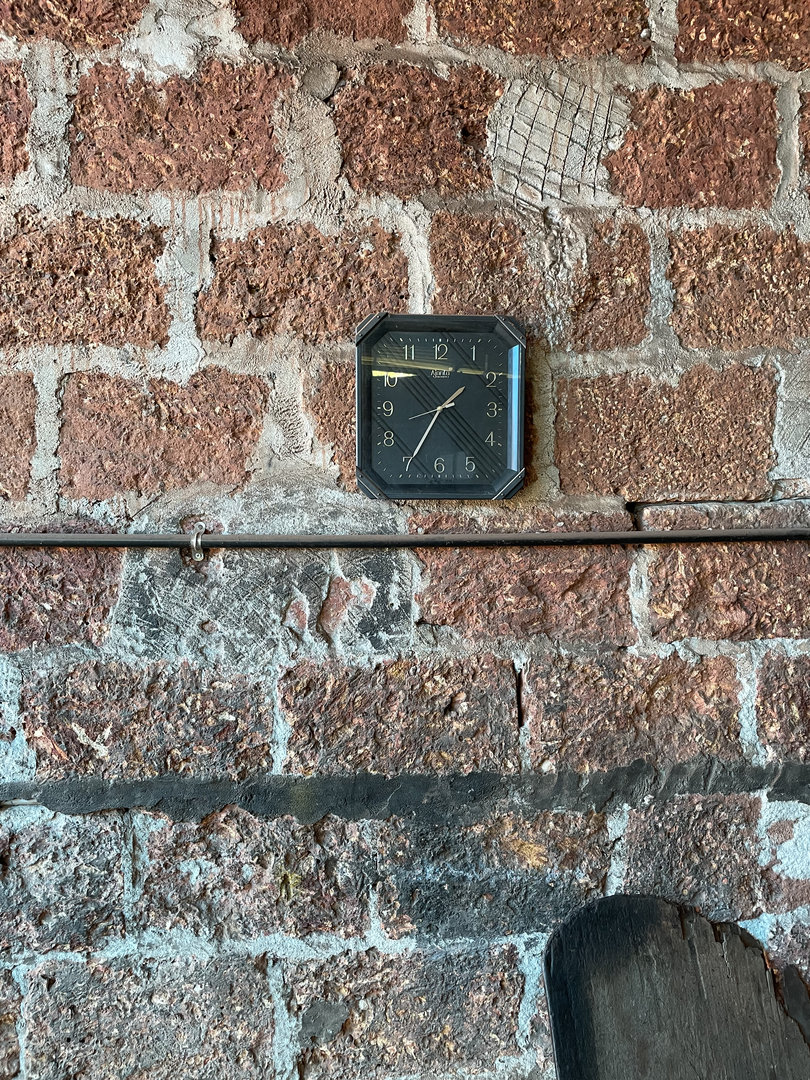
Ashokettan inspected the Jeep, made a few adjustments, and took it for a test drive. When he returned, he seemed confident that the issue had been resolved. Years of experience had probably taught him to recognize patterns quickly. The symptoms matched things he had seen before, and the fix seemed reasonable.
But when I drove it myself, the problem was still there.
Back to the workshop.
After some more investigation, he suspected the hydraulic master cylinder. The diagnosis made sense. The symptoms pointed in that direction, and replacing it seemed like the logical next step. So we did.
₹2500 later, the new part was installed.
The problem remained exactly the same.
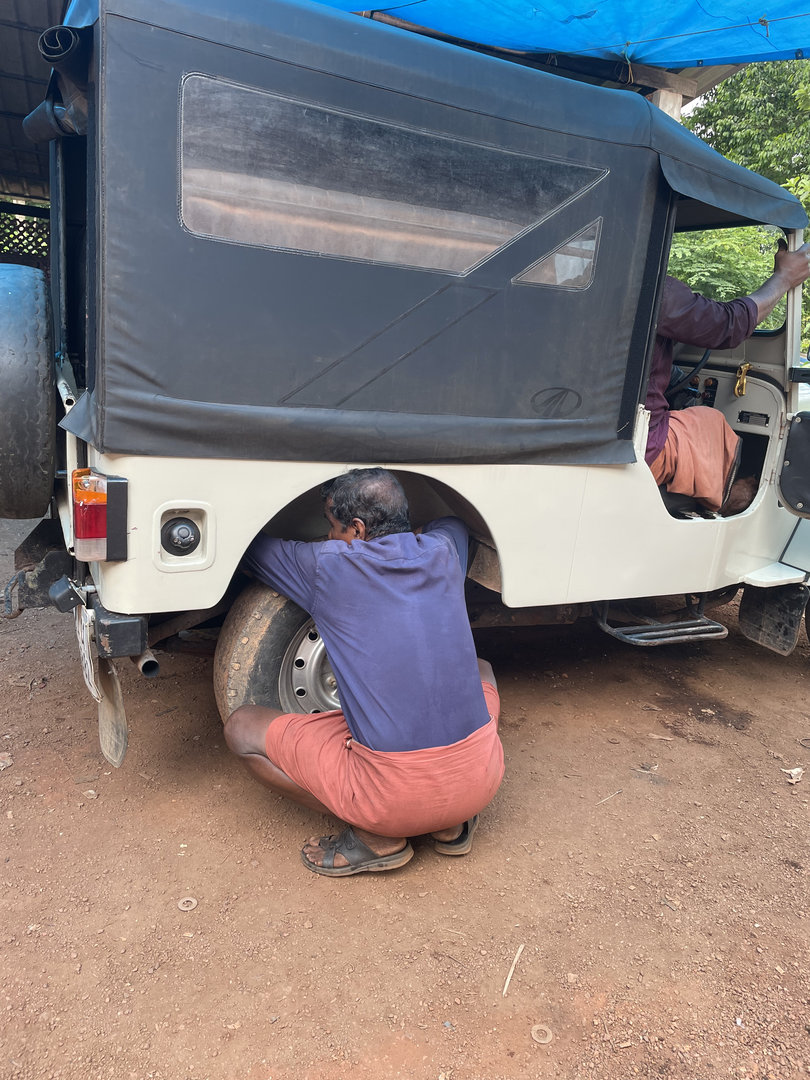
At that moment, I found the situation strangely fascinating. Here was someone who had spent decades working on Jeeps. Someone people trusted because of his experience. Yet today, he couldn't figure out the problem.
We often imagine experts as people who always know the answer. We picture mastery as a state where uncertainty disappears. We assume that experience eventually removes doubt.
But reality is rarely that neat.
Expertise doesn't eliminate uncertainty. It simply improves your odds.
An expert isn't someone who always knows the answer. An expert simply has a better understanding of where to look, which assumptions to test, and which possibilities are more likely than others. Most of the time, that leads them to the right answer faster than everyone else.
But not always.
Sometimes a problem refuses to fit neatly into previous experience. Sometimes the obvious explanation turns out to be wrong. Sometimes replacing a part solves nothing. Sometimes the machine keeps its secrets.
Later that day, Ashokettan called.
The problem had finally been found.
It wasn't the master cylinder. It wasn't any of the larger, more expensive components we had suspected. It was a bent pipe in the brake line. Because of the bend, the hydraulic fluid wasn't flowing the way it should.
The fix took only a few minutes.
Weeks of uncertainty. Multiple inspections. Test drives. A replaced component. Countless assumptions.
And the actual solution took minutes.
That struck me more than the repair itself.
We often judge problems by the effort required to fix them. But in reality, the difficult part is often discovering what the problem actually is. Once the cause becomes visible, the solution can seem almost embarrassingly simple.
The same thing happens in design. Teams spend months solving symptoms instead of causes. We redesign interfaces when the issue is trust. We add features when the issue is clarity. We improve performance when the issue is discoverability.
Once the real problem is understood, the solution often feels obvious in hindsight.
Looking back, what impressed me wasn't that Ashokettan got the diagnosis wrong. It was that he kept searching. Decades of experience didn't give him instant answers, but they gave him the persistence to keep eliminating possibilities until the truth revealed itself.
In the end, the repair took minutes.
Understanding the problem took weeks.
And maybe that's what expertise really is. Not always knowing the answer, but knowing how to keep looking for it.