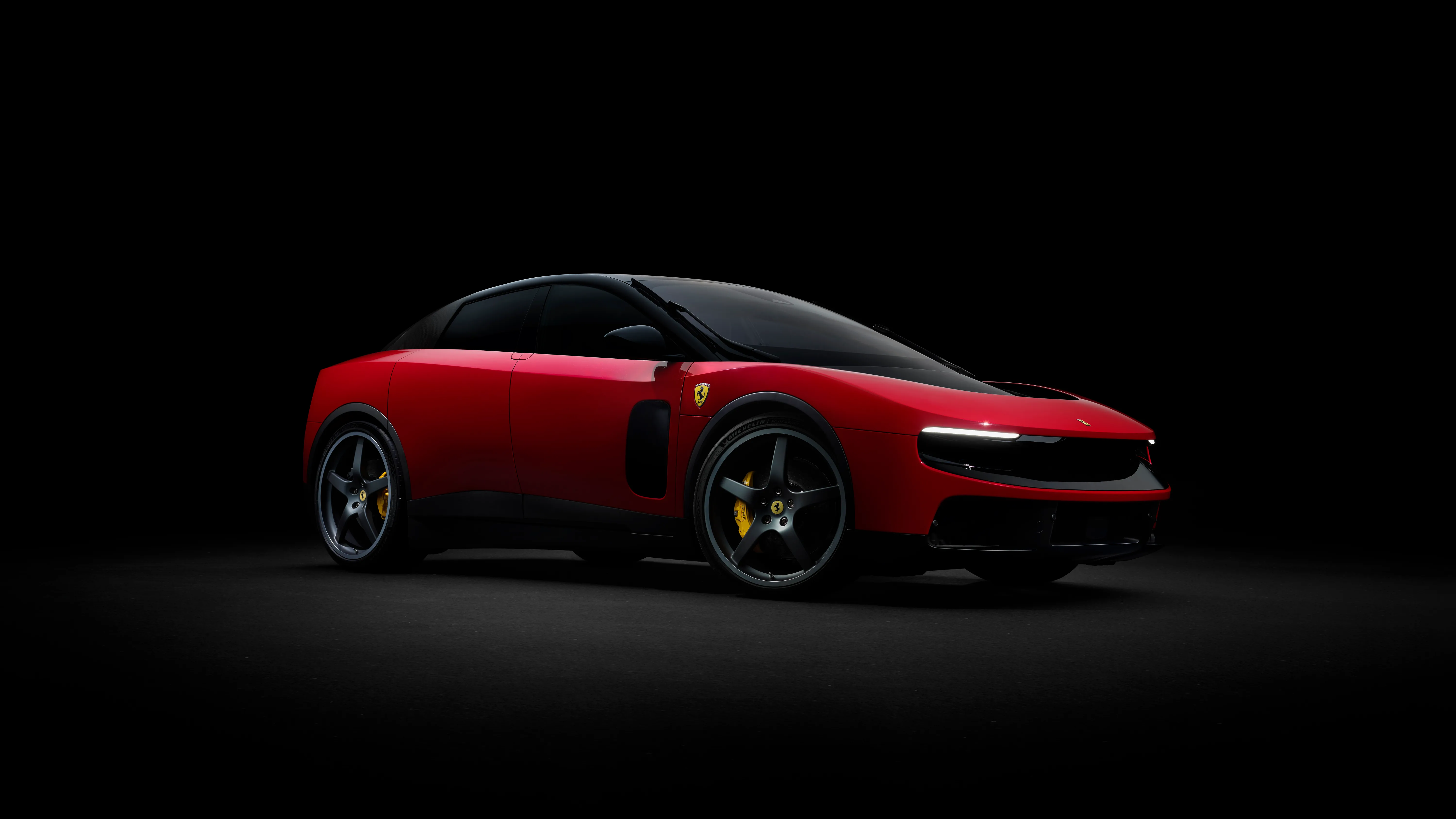
The internet has not been kind to the Ferrari Luce.
Everywhere I look, I see comparisons to the Fiat Multipla, jokes about its proportions, and people questioning whether it even deserves the Ferrari badge. The reaction reminds me of something that happens almost every time a product challenges an established visual language.
People don't judge it for what it is.
They judge it for what they expected it to be.
Ferrari has spent decades building a very specific image. Long hoods, dramatic proportions, aggressive surfaces, and a visual language that communicates speed even when standing still. When you've spent years looking at Ferraris through that lens, anything that deviates from it immediately feels wrong.
But I think that's exactly why the Luce is important.
If Ferrari continues designing cars the same way forever, the brand eventually becomes stagnant. The products may become faster and more technologically advanced, but the underlying ideas stop evolving. At some point, design needs to ask new questions.
The Luce feels like one of those questions.
What I find most interesting is that the car doesn't feel random. It feels intentional. The proportions, the graphics, the treatment of surfaces—everything appears to belong to a larger design vision. Whether you find it attractive or not is almost secondary. It feels like a design that has been thought through.
That's also why I find it more compelling than the Jaguar Type 00.
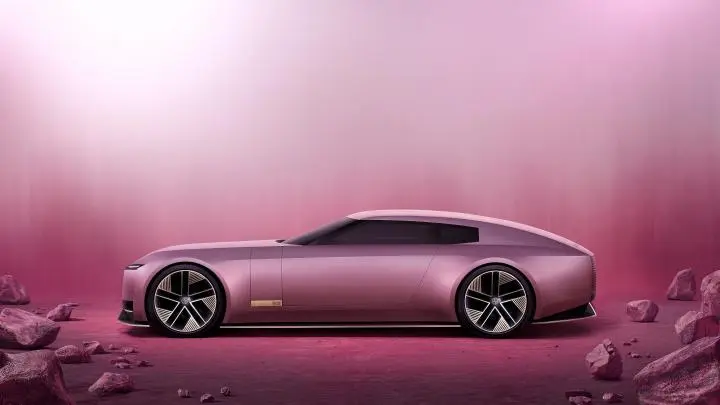
The Type 00 generated enormous attention because it was shocking. It felt like Jaguar deliberately wanted to break away from its past and force people to notice. While there is nothing inherently wrong with that approach, I often felt like the statement arrived before the product.
The Luce feels different.
Instead of rejecting Ferrari's heritage, it feels like it is attempting to reinterpret it. The design still carries confidence and presence, but through a new vocabulary. It feels less like a provocation and more like an evolution.
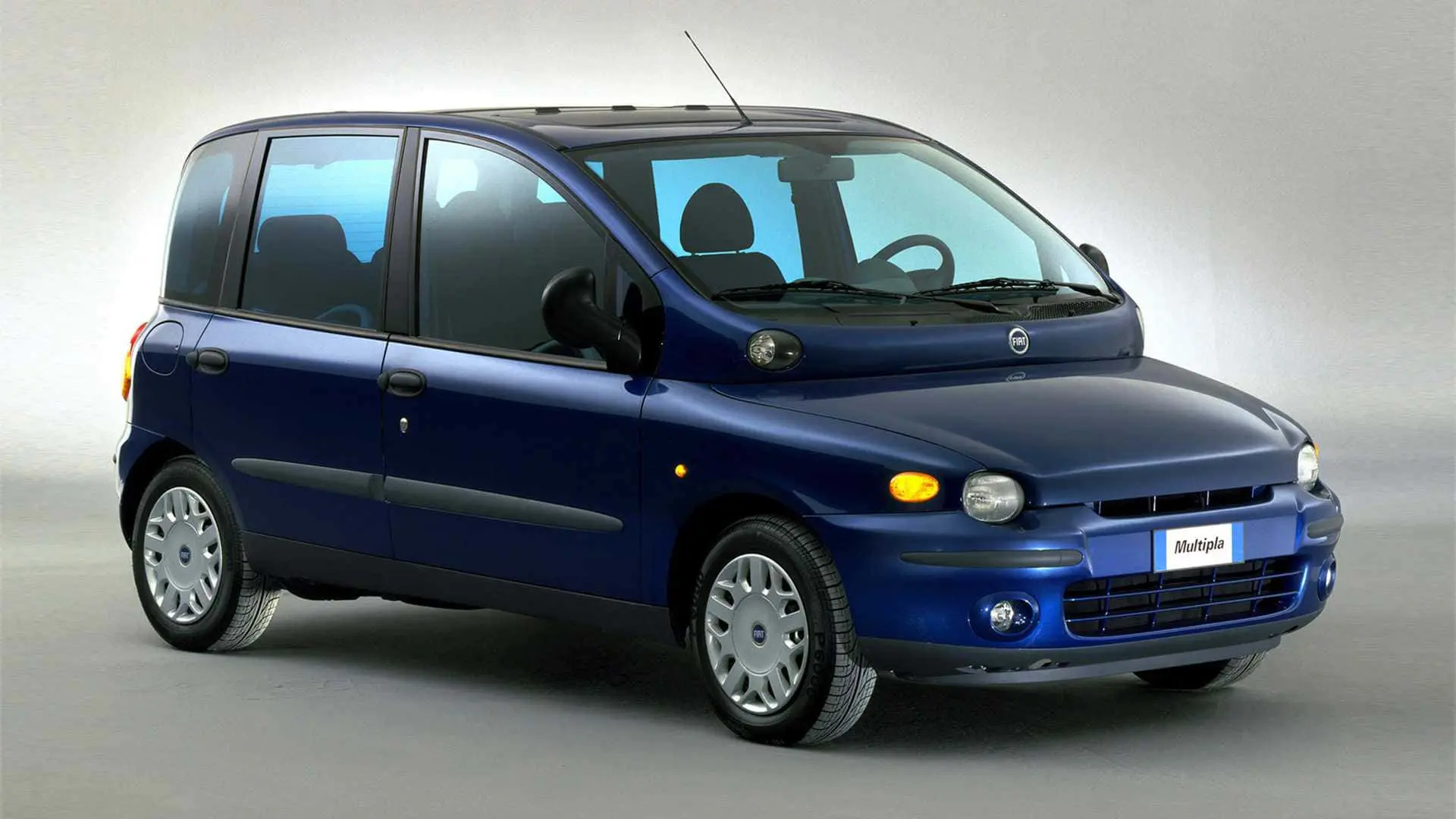
A lot of people have compared it to the Fiat Multipla, usually as an insult.
The funny thing is that the Multipla is actually a great example of why unconventional design matters.
Today, people remember the Multipla as one of the strangest-looking cars ever made. But they also remember it. Decades later, it still appears in design discussions, articles, and conversations. It became culturally significant because it was willing to challenge conventions.
Most cars never achieve that.
Most cars are forgotten.
They look correct, they sell for a few years, and then they disappear from collective memory. The Multipla did not disappear. Love it or hate it, it became an icon.
That is the irony of using the Multipla as a criticism.
The opposite of iconic is not ugly.
The opposite of iconic is forgettable.

History is full of products that were initially rejected because people weren't ready for them. In India, the first-generation Swift felt unusual when it launched. Its softer, organic forms stood out in a market that was used to much more conventional proportions and surfacing. Over time, those same qualities became part of what made it one of the most successful and beloved cars in the country.
The same thing happens again and again in design.
New ideas rarely feel comfortable at first.
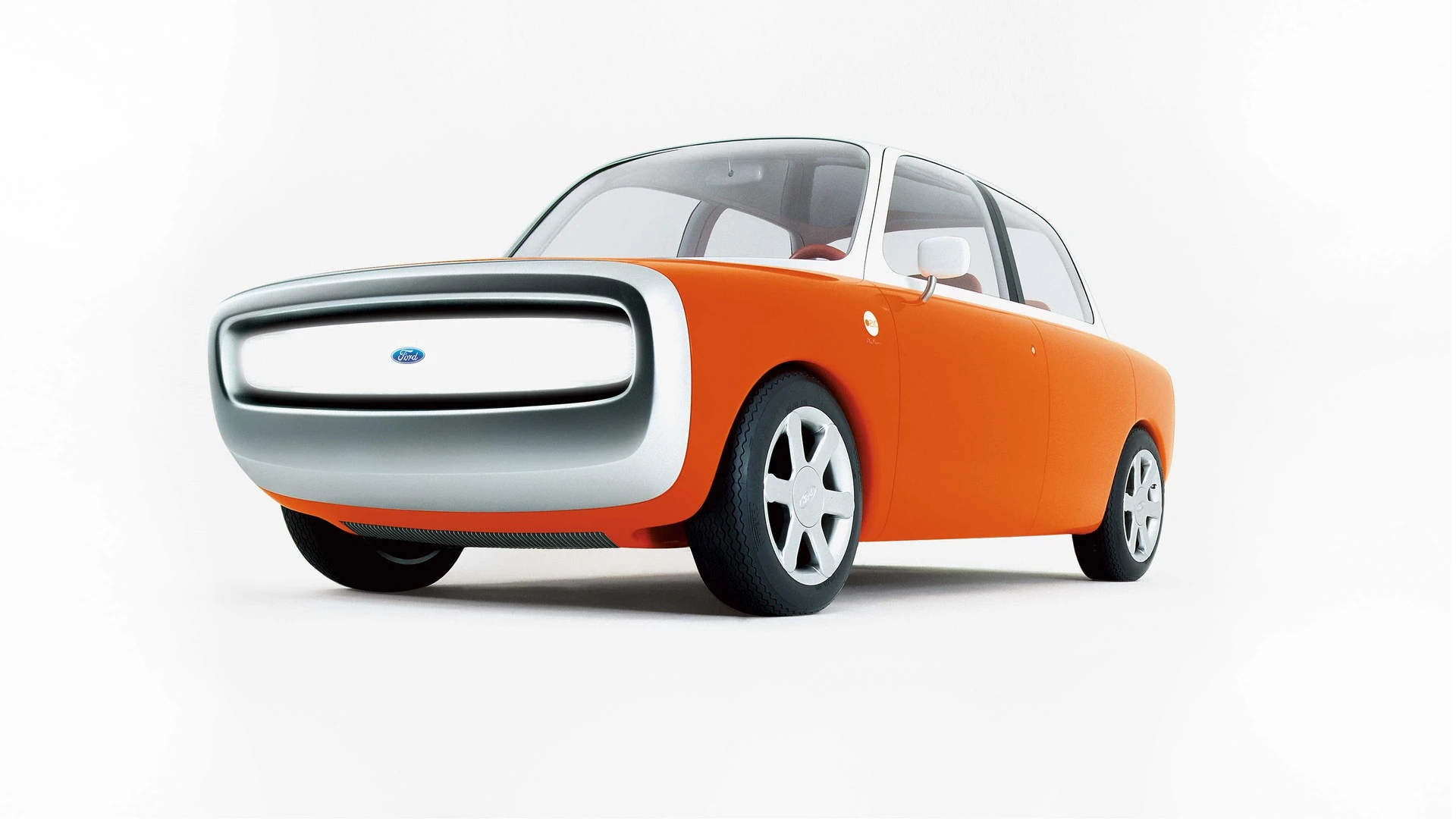
One of my favourite examples is the Ford 021C. When it was unveiled, many people argued that it didn't express the traditional emotions associated with cars. It was playful, optimistic, and almost toy-like. Critics questioned whether it even looked like a proper car.
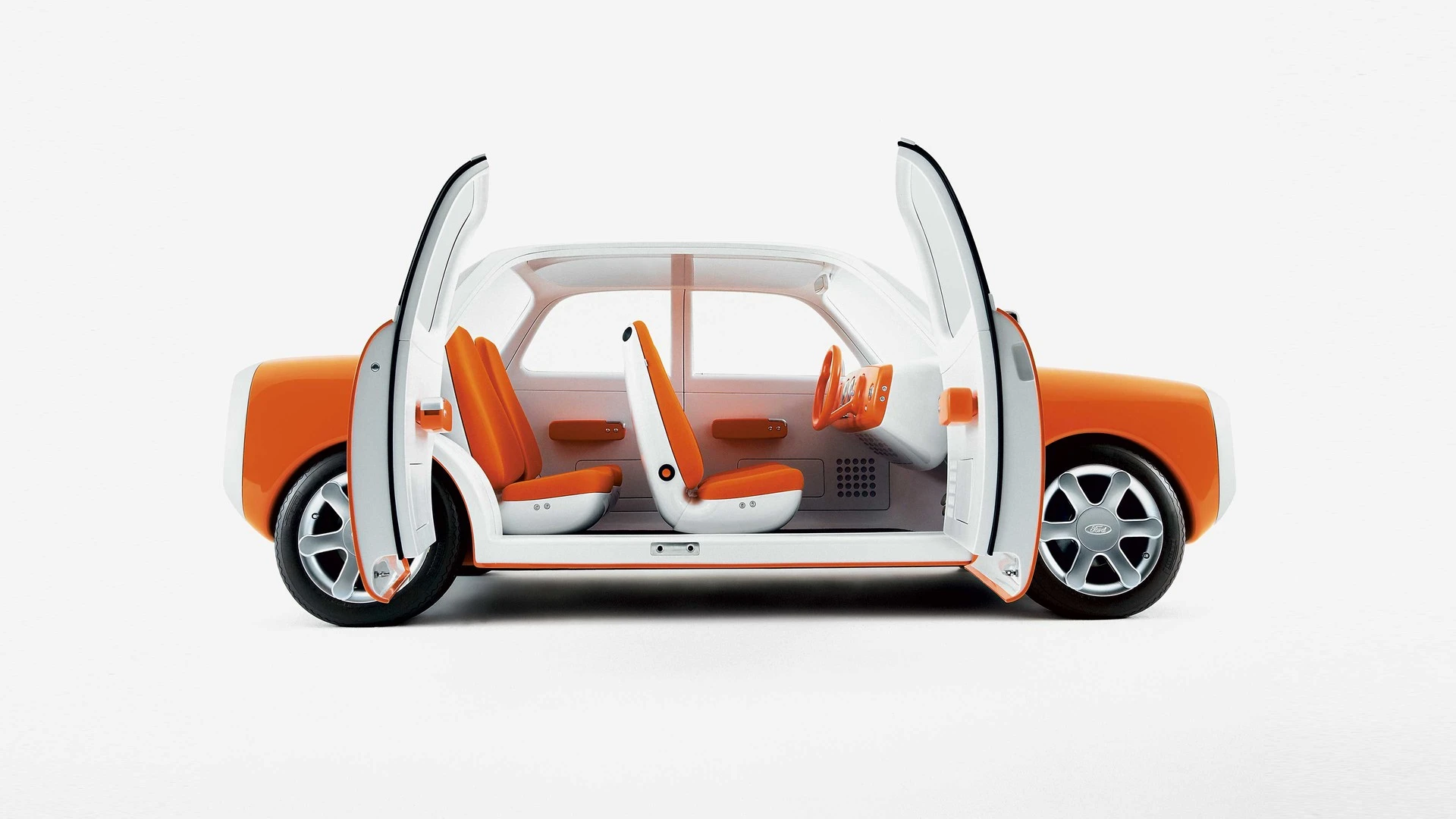
Today, it is remembered as one of the most influential concept vehicles of its era because it proposed an entirely different way of thinking about automotive design.
I think the Ferrari Luce belongs in that same category of products.
Not because it will necessarily become universally loved.
Not because everyone will suddenly change their minds.
But because it is trying to move the conversation forward.
The easiest thing Ferrari could have done was build another Ferrari that looked exactly like every Ferrari before it. People would have praised it for being familiar, and within a few years it would have blended into the long lineage of cars that came before it.
The Luce takes a bigger risk.
It asks people to reconsider what a Ferrari can look like.
And while the internet is busy laughing at it today, I wouldn't be surprised if, years from now, we look back and see it as one of those rare moments when a company had the courage to explore a new direction.
Design history has a habit of rewarding that kind of courage.
People rarely remember the products that played it safe.
They remember the ones that dared to be different.